


















Rural Veterinary Workforce Task Force celebrates 5 years of progress
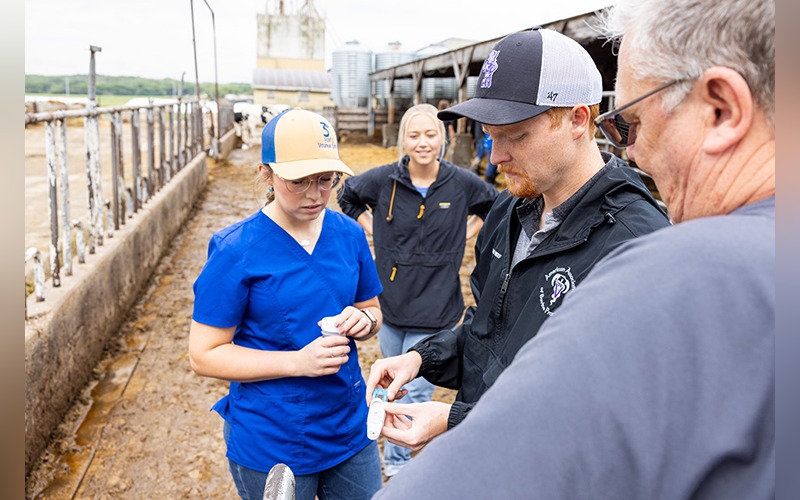
MANHATTAN, Kan. — Kansas needs frontline veterinarians to serve every corner of the state, and a coalition including experts from Kansas State University’s College of Veterinary Medicine is finding new ways to address the gaps in veterinary coverage for rural Kansas.
The Rural Veterinary Workforce Task Force today released a five‑year impact summary highlighting major advancements in strengthening the pipeline, development and retention of veterinarians serving Kansas’ agricultural communities.
“KLA members rely on veterinarians for both routine and emergency animal care and are increasingly concerned about access to those services in rural Kansas,” said Matt Teagarden, chief executive officer of the Kansas Livestock Association. “Through collaboration on the Rural Veterinary Workforce Task Force, we have made meaningful progress in expanding the number of large-animal veterinarians serving rural communities.”
The task force’s work supports the statewide objective to promote the development and retention of excellent veterinarians and ensure a stable supply of rural practitioners essential to livestock health, food production and rural economic vitality.
Representing a broad coalition of stakeholder organizations, the task force includes members of the Kansas Veterinary Medical Association, Kansas Livestock Association, Kansas Farm Bureau, Livestock Marketing Association, Kansas Department of Agriculture, and Kansas State University’s colleges of Veterinary Medicine and Agriculture.
“This group has been exceptionally productive because it brings together perspectives from each member organization to develop thoughtful, collaborative solutions,” said Brad White, professor in production medicine and director of the Beef Cattle Institute at K-State. “I especially value the willingness of everyone to look beyond individual interests and focus on practical strategies that strengthen the development and retention of rural veterinarians, ultimately benefiting agricultural communities.”
Data‑driven insights reveal workforce needs across Kansas
From 2020 to 2025, the task force conducted the most comprehensive assessment to date of Kansas’ rural veterinary workforce, mapping 446 large- and mixed-animal veterinarians across the state and identifying gaps using 30-mile practice-coverage radiuses.
The task force also surveyed more than 200 livestock producers across the state and found that nearly 60% of producers perceive a veterinary shortage.
To better understand the pressures facing rural practices, the task force conducted a statewide review of all roles within veterinary clinics, examining how staffing structures support veterinarians, livestock producers, and rural economies. These insights inform future recommendations for practice sustainability and workforce readiness.
Rural veterinary incentive programs address critical shortages
The task force’s findings underscore the complexity of veterinary service distribution and the need for targeted retention and support strategies.
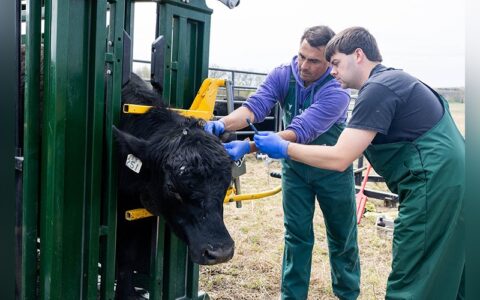
By continuing existing programs at K-State and developing expanded programs for early-career large-animal veterinarians, the pipeline of support for rural veterinary care continues to grow.
K-State’s rural veterinary incentive program brings veterinary care to rural Kansas
Since 2006, with the support of the Kansas Legislature, K‑State’s College of Veterinary Medicine has hosted the Veterinary Training Program for Rural Kansas, or VTPRK, which provides financial incentives for veterinary medicine graduates to practice in rural Kansas communities.
To date, more than 100 students have been admitted to the program, with 86% remaining in a qualifying county even after the program’s obligatory service period.
The task force has led several major enhancements to the program, including:
- Establishing a VTPRK Advisory Committee to guide student selection and program oversight.
- Increasing loan repayment support to $25,000 per year.
- Expanding program capacity to support more future rural practitioners.
These improvements help attract new veterinarians while supporting long‑term retention in rural communities
New Developing Veterinary Medicine in Rural Kansas program to address persistent veterinary gaps
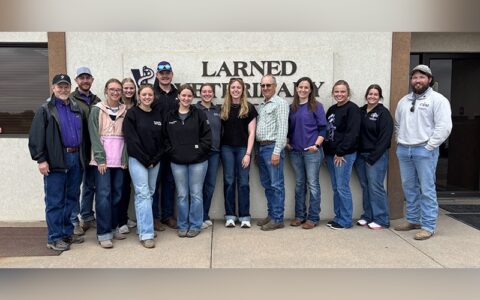
Building on the success of VTPRK, the task force supported the creation of the Developing Veterinary Medicine in Rural Kansas, or DVM‑RK, program — a proposed, expanded initiative designed to address persistent gaps in food‑animal veterinary care.
The program will support early-career large-animal veterinarians in rural Kansas, regardless of where they attained their degree in veterinary medicine, to help them establish financial stability and move toward practice ownership.
Once approved, the program will provide up to $75,000 per participant in financial support. It will be administered in partnership with the KVMA Foundation and will also include annual professional development and reporting to the Rural Veterinary Advisory Committee.
Participants must commit to three years of veterinary practice in a qualifying rural county — one with a population of 40,000 or fewer — or a food‑animal‑focused practice. Community service is also required as part of the program, which could include leadership in 4‑H or FFA or participation in local advisory boards.
The DVM‑RK program will strengthen Kansas’ ability to retain veterinarians in communities where livestock producers continue to report service shortages.
Statewide and national collaboration
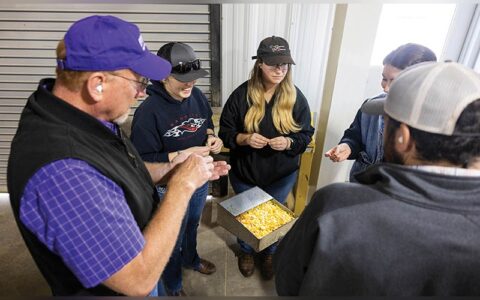
The task force partnered with the Farm Journal Foundation to advance modifications to federal programs, including the Veterinary Medicine Loan Repayment Program and the Veterinary Services Grant Program. Together, they also contributed to state and community readiness reports addressing food‑animal veterinary shortages.
Researchers at K-State and Iowa State University have collaborated with the Kansas, Iowa and Nebraska Veterinary Medical Associations to conduct a survey examining success factors for rural veterinary practice. The survey was sent to members of these associations, along with alumni of the two veterinary colleges and members of the American Association of Bovine Practitioners and the Academy of Veterinary Consultants.
The survey will identify factors related to longevity, self-reported career satisfaction and burnout in rural veterinary practice, as well as factors associated with better financial outcomes.
A shared commitment to Kansas agriculture
The Rural Veterinary Workforce Task Force‘s work supports a wide range of audiences — from producers and practitioners to state legislators, university leadership and future veterinarians. Its findings and program improvements will guide ongoing efforts to strengthen veterinary capacity in rural Kansas and ensure long‑term support for the state’s agricultural communities.