


















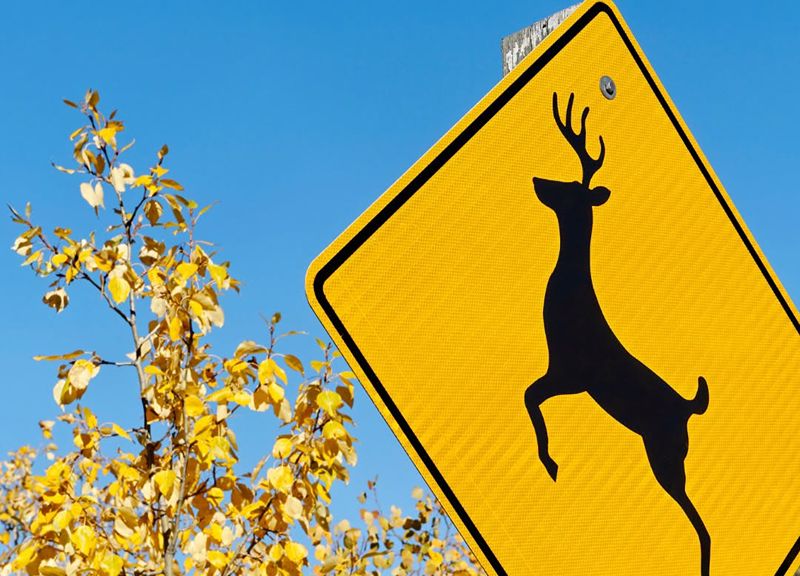
Kansas wildlife and transportation officials say November is typically the peak month for deer-related crashes, as increased deer movement during the fall breeding season puts more animals on the move, often crossing busy highways and rural roads.
The risk can be especially high during early morning and evening hours, when deer are most active and visibility is reduced.
Statewide, 40-percent of all single-vehicle crashes in 2025 involved a collision with a deer. According to the Kansas Department of Transportation, Kansas recorded 10,742 deer-related vehicle crashes last year, resulting in 692 people injured and one death.
Officials remind drivers to slow down, stay alert and watch for deer near roadways. If you see one deer crossing, be prepared for others to follow. Avoid swerving suddenly, which could cause you to lose control or collide with another vehicle.
If you hit a deer, pull safely onto the shoulder and contact law enforcement. Kansas Highway Patrol dispatch can be reached by dialing *47.