




Extension specialists across U.S. contribute to special issue on Aging in America
MANHATTAN, Kan. — A Kansas State University expert on aging and adult development is a key contributor to a national publication that she says will help to shine a national spotlight on the future of aging-related work in extension work across the country.
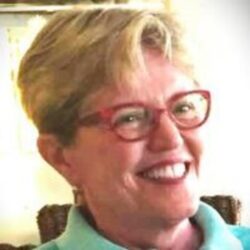
Erin Martinez, who works in K-State’s Department of Applied Human Sciences, recently served as co-editor of a special issue titled Aging in America, published by the Journal of Human Sciences and Extension.
The publication, available online, brings together what Martinez calls “the greatest minds in extension and aging work across the country.”
She and co-editor James Bates, a professor and field specialist of family wellness with Ohio State University Extension, gathered contributions from 57 authors representing universities, agencies and organizations nationwide.
The goal, Martinez said, was straightforward.
“We need to tell the story of the good work going on, but we also need to invite our greatest minds and our greatest experts to come together and really think about the future of extension when it comes to aging-related programming and helping to advance aging for everyone around the country,” she said.
The special issue centers on four themes shaping the next generation of aging services. They are:
- Innovations in intergenerational programming.
- Proactive approaches to health and well-being.
- Comprehensive end-of-life planning.
- Addressing disparities in aging services.
According to Martinez, the publication gives extension professionals a panoramic view of research, promising new initiatives and program models that can improve communities across the United States.
“Even though we have folks from all over the country contributing, at the end we’re all thinking, ‘Okay, how can we take the information and apply this in our own communities and use it for the benefit of everyone?’” she said.
One area with clear Kansas connections is intergenerational programming. Martinez said rural Kansas communities, where older adults make up a growing share of the population, stand to benefit from successful models in other states.
“Being able to come up with new and innovative ways to keep older adults connected with their community – as well as keeping young people active and engaged and interested in staying in their community and building those relationships — is something that Kansans can really benefit from,” Martinez said.
The publication also highlights proactive health and well-being, a priority already gaining traction in Kansas. Martinez pointed to Kansas’ roadmap for dementia care, state-level healthy aging action teams and efforts to bolster preventive services.
“Consistently, these experts are saying we have to be proactive,” she said. “I can say confidently that Kansas is on the right track.”
Martinez said that Kansas communities are making strides in forming collaborations with social service agencies, nonprofits and area agencies on aging. She notes that K-State Extension plans to explore new models from the journal to deepen partnerships already in place.
“In Kansas, we already have relationships with our area agencies on aging across the state, but I think there are new and exciting ways that we could potentially work together for the benefit of all Kansans,” she said. “We’re definitely going to take those ideas and start to talk about what’s next for our relationship.”
K-State also is expanding its work with community health workers to strengthen health and well-being across the lifespan — including new opportunities in agricultural communities and workplaces.
Still, Martinez adds, gaps remain.
Many of the authors in Aging in America called for extension services nationwide to take a stronger role in mental health, especially in addressing social isolation and loneliness among older adults. With extension staff active in all 105 Kansas counties, Martinez said the state is well positioned to make progress.
“We recognize it’s a gap, but we are having those conversations,” she said. “This really calls upon us to push the gas pedal a little harder.”
Rural-urban disparities — particularly in access to specialized care — also surfaced as a major concern. Martinez cited long travel times and months-long waits for services such as neurological assessments. K-State is partnering with the University of Kansas Medical Center and other health providers to expand rural access, emphasizing caregiver support and respite programs that strengthen aging infrastructure statewide.
Looking ahead, Martinez said the experts contributing to Aging in America are already anticipating the next major needs. Technology, she noted, is expected to play a growing role in bridging gaps for caregivers and older adults alike. “Technology is the future of so many things, including health care and access to services,” she said. “It can help connect people with resources and others going through the same thing.”
Collectively, the articles underscore the essential role extension must play in meeting the complex, evolving needs of the nation’s aging population. Martinez said the issue offers both inspiration and direction: “Now we have ideas, infrastructure and the experts working together to be ready for whatever life hands us next,” she said.