




Hypertension, diabetes, cancer are among leading causes of illness and death
MANHATTAN, Kan. — Chronic illnesses such as hypertension, diabetes and cancer are placing increasing demands on Kansans, and Kansas State University Extension professionals are stepping in to help residents manage those conditions through education, coaching and community-based support.
Elaine Johannes, the Kansas Health Foundation’s Distinguished Professor of Community Health at K-State, said the past year has been especially busy for extension programs focused on community health, with hypertension work standing out because of its reach and collaboration.
“Americans and Kansans have a hard time managing what their blood pressure should be if they don’t understand it,” Johannes said. “That’s where extension has really made a difference.”
Johannes said extension professionals across the state have expanded the Hypertension Awareness and Prevention program, or HAPp, initiative, modeled after the Centers for Disease Control and Prevention’s Healthy Heart Ambassador program.
The original four-month program pairs participants with trained extension coaches who help them learn how to take and understand their blood pressure, adopt healthier eating habits, become more physically active, manage stress and communicate effectively with health care providers.
She added that what began as a traditional community program has grown rapidly. Extension agents now offer HAPp in workplaces, churches, faith communities and libraries. A shorter six-week version, called HAPp Works, allows participants to “learn it, do it and practice it” while still benefiting from group support and coaching.
In the coming year, extension plans to launch hourlong educational sessions that explain the basics of hypertension and how stress and lifestyle affect the heart.
Cardiovascular disease and stroke remain leading causes of illness and death in Kansas, particularly as the population ages. Johannes said that makes hypertension education “front and center” for extension’s health efforts.
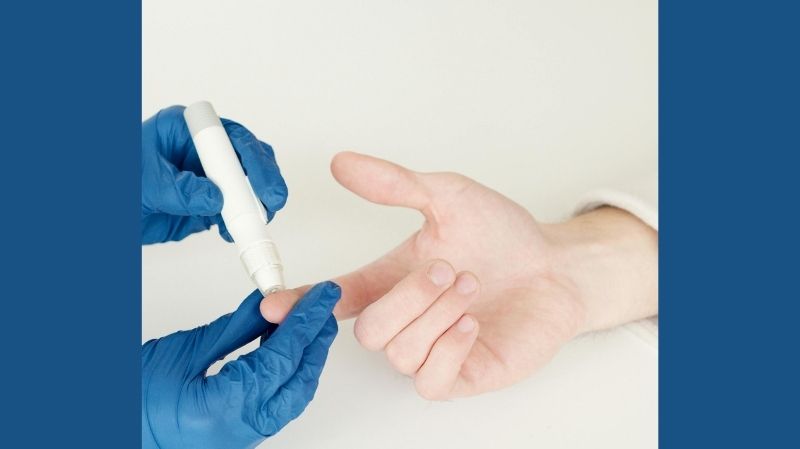
Closely tied to that work is diabetes education. Extension’s Dining with Diabetes program helps people who have already been diagnosed with diabetes make healthier choices at home and when eating out, including during holidays and family gatherings.
“We can’t decouple hypertension and diabetes,” Johannes said. “A high percentage of Kansans have prediabetic symptoms and don’t even realize it.”
Cancer prevention and education have also emerged as a growing focus, through new collaborations with the University of Kansas Medical Center and the Masonic Cancer Alliance. Johannes described hypertension, diabetes and cancer as “pieces of a puzzle” that reflect broader challenges related to lifestyle, access to care and management of stress.
What sets extension apart, she said, is its face-to-face approach. While information is widely available online, many Kansans — especially in rural areas — lack easy access to primary care providers, pharmacists and health care specialists. Provider shortages in rural communities can push residents to travel long distances for care.
“Having a well-trained extension professional who understands the community and can explain complicated health issues in a practical way can be a critical piece to the rural health care puzzle,” said Johannes, adding that Kansas currently ranks 28th of 50 states in America’s Health Rankings. “Having reputable health information and using recommended management skills for conditions are really key when it comes to chronic illness.”
As Kansans grows older, health increasingly becomes an issue of long-term management, from healthy food and physical activity to managing stress, quality housing, and available transportation. Johannes said extension’s presence in communities allows professionals to help residents navigate those challenges and connect with services.
She adds that extension’s role will grow as the state confronts health care shortages and “medical deserts.” Through grants and workforce development, including K-State’s training of future health professionals, extension continues to position itself as a trusted local partner.
“If there’s one thing people can do,” Johannes said, “it’s to pay attention — to your own health and to the people around you. We do better in groups, and that connection is part of being healthy.”