




K-State food science expert shares tips for identifying items deemed unsafe
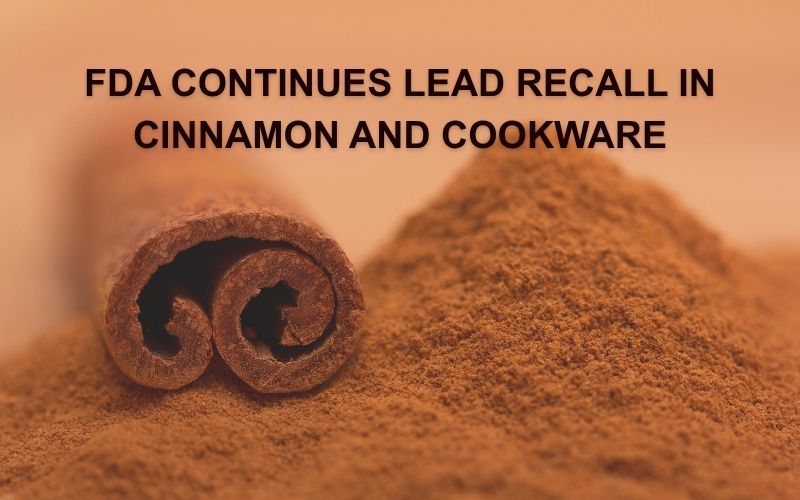
MANHATTAN, Kan. — Kansas State University food scientist Karen Blakeslee is reminding consumers to stay alert as the U.S. Food and Drug Administration continues to recall products found to contain lead, including some brands of ground cinnamon and certain brands of imported cookware.
“This has been an ongoing recall that started in March 2024,” Blakeslee said. “The FDA is advising consumers to stop using and dispose of recalled ground cinnamon products.”
The FDA has published a table containing a list of at least 18 cinnamon products found to contain lead. They have also published an article guiding consumers on identifying cookware that may contain lead as well as steps to take.
“Lead is found in the environment, and the levels can vary depending on the natural geographical makeup and proximity to lead sources,” Blakeslee said. “There is no known safe level of exposure to lead, so the FDA monitors and regulates levels of lead in foods.”
For consumers concerned their cookware may contain lead, Blakeslee recommends home-testing kits available in hardware stores and online. There are also commercial laboratories available for testing assistance.
“Eating a nutritious diet and a variety of healthy foods can protect against lead exposure,” Blakeslee said. “So, each day choose foods from a variety of food groups to have the best defense against lead exposure.”
Another potential source of lead is in some types of ceramicware or pottery. According to the FDA, lead may be in the glaze or decorations on the surface. If not made properly, the lead can leach into food or beverages. Blakeslee said if a piece of ceramicware or pottery is labelled as “not for food use,” it should only be used for home decor.
In Blakeslee’s monthly newsletter, You Asked It!, she notes: “When any recall is issued, the best advice is to stop using the food or equipment. You can try to return it to the vendor for a refund or throw it away. If you are suspicious of having lead exposure, contact your health care provider.”
Blakeslee is coordinator of K-State’s Rapid Response Center for Food Science. More information on food safety also is available at local extension offices in Kansas.