


















After clearing lawn, use clippings for compost, says K-State horticulture expert
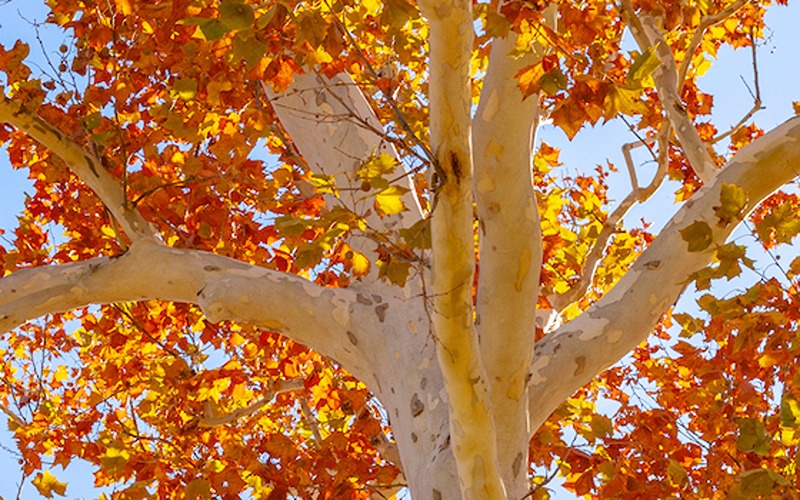
MANHATTAN, Kan. — Beautiful fall leaves have begun to cover lawns and will continue to fall throughout November. Kansas State University horticulture expert Matt McKernan said it’s important to remove leaves from home lawns.
“Although a scattering of leaves won’t harm the lawn, excessive leaf cover prevents sunlight from reaching turfgrass plants,” McKernan said. “Turf left in this state for an extended period will be unable to make the carbohydrates needed to carry it through the winter.”
Regularly mowing over the leaves as they fall is an easy way to prevent this problem. The chopped-up leaves should be returned to the lawn after being mowed over. Mowing must be done often enough that the leaf litter doesn’t become thick, or will require multiple passes over the lawn to chop leaves into smaller pieces.
If you have a bag attachment for your mower you can collect the shredded leaves and use them as a layer of mulch in the flower beds. This organic matter will break down over time contributing nutrients back into the soil.
Leaves can also be composted shredded or whole. Be aware of the balance needed in a compost pile for efficient decomposition. Alternating layers of dried leaves with green materials such as fresh plant material is best.
“Whatever you do, don’t throw out fallen leaves into the garbage,” McKernan said. “Fall leaves are a gold mine of organic matter that can support soil health, improve soil structure, and boost biological activity the rest of the year when recycled back into our lawns and gardens.”
Roasting Pumpkin Seeds
Pumpkins are the perfect fall decoration and could be put to even more use this season by roasting their seeds for a delicious snack.
“Consider roasting seeds before freezing temperatures destroy the pumpkin fruit,” McKernan said, adding some ideas on how to roast the seeds at home:
- Cut open the pumpkin and remove the seeds and stringy material.
- Wash seeds and toss with oil before roasting.
- Season as desired. Then, spread the seeds on a cookie sheet and roast for about 25 minutes at 325 degrees Fahrenheit.
- Roast time can vary depending on seed size and moisture content.
- Seeds are done when they turn golden brown.
McKernan and his colleagues in K-State’s Department of Horticulture and Natural Resources produce a weekly Horticulture Newsletter with tips for maintaining home landscapes and gardens.
Interested persons can subscribe to the newsletter by emailing [email protected]. For garden and yard-related questions contact your local K-State Extension office.