



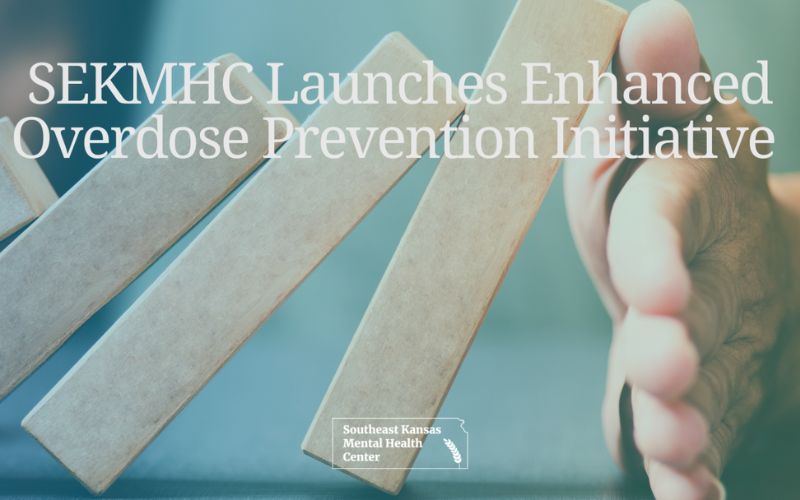
 IOLA, Kan. (March 10, 2026) — In response to elevated overdose risks across the rural region, Southeast Kansas Mental Health Center (SEKMHC) is enhancing prevention education and expanding substance use treatment services through its six-county area.
According to the 2025 Kansas Substance Use Disorder Needs Assessment conducted by the University of Kansas Center for Public Partnerships and Research, Allen, Bourbon and Neosho counties are identified as High Vulnerability, reflecting heightened risk factors linked to substance use disorders. The assessment also highlights EMS response-time challenges in rural areas and naloxone distribution levels that do not yet meet the estimated need. Together, these indicators demonstrate the need to strengthen overdose education and expand access to life-saving resources across Southeast Kansas.
“Our responsibility is to respond to the needs of our communities with intention and leadership,” Doug Wright, interim chief executive officer of SEKMHC, said. “By expanding prevention efforts and strengthening evidence-based services, we are taking meaningful steps to protect individuals and families across our region.”
Through expanded prevention efforts, SEKMHC will host a series of community outreach events across Allen, Anderson, Bourbon, Linn, Neosho and Woodson counties to increase overdose education and expand access to life-saving resources. These events will provide free naloxone kits, hands-on training on overdose recognition and response, as well as educational materials for community members. SEKMHC will also host outreach events with local community partners focused on safe medication take-back, providing residents with a convenient and responsible way to dispose of unused or expired prescriptions. Upcoming events include a naloxone education and distribution event at the Yates Center Town Hall Community Center from 5:30 to 6:30 p.m. on April 7 and a community drug take-back event on National Drug Take Back Day from 9 a.m. to 1 p.m. on April 25, at Iola Pharmacy.
“Prevention saves lives,” Charlie Harding, project coordinator, said. “By providing overdose education, increasing naloxone availability and offering safe medication take-back opportunities, we are addressing risk factors before they escalate. Our goal is to equip communities with the knowledge and tools they need to prevent substance misuse.”
In addition to community outreach efforts, the project will expand access to evidence-based substance use services that strengthen prevention and early intervention across the region. This includes substance use counseling, case management, peer support and treatment options that combine counseling with FDA-approved medications to help reduce cravings and withdrawal symptoms for individuals struggling with substance misuse, including opioid use.
“As a substance use counselor, I know recovery is possible,” Krissi Tummons, project director, said. “This initiative allows us to expand access to evidence-based services so individuals and families in our communities can receive effective support close to home.”
Through these expanded efforts, SEKMHC expects to reach and educate more than 1,600 individuals across the region in the next three years, increasing awareness and strengthening overdose prevention efforts in our communities. This project is supported by SAMHSA of the U.S. Department of Health and Human Services (HHS) as part of an award totaling $375,000 and 100% funded by SAMHSA. The contents are those of SEKMHC and do not necessarily represent the official views of SAMHSA or HHS.
About Southeast Kansas Mental Health Center
Southeast Kansas Mental Health Center provides comprehensive behavioral health and substance use services across southeast Kansas, with a mission to improve the health and quality of life in the communities it serves.