





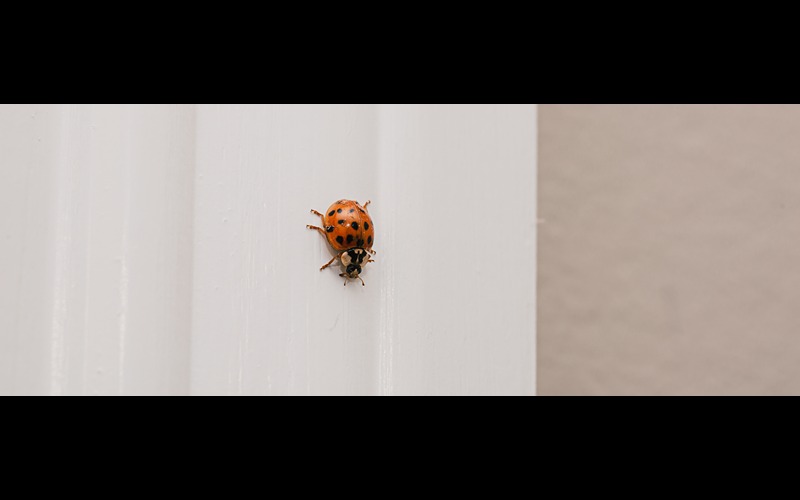
Cloyd says most insects are more of a nuisance, rather than danger
MANHATTAN, Kan. — With cooler temperatures pushing fall pests toward homes, K-State horticultural entomologist Raymond Cloyd says a few simple sanitation steps can stop nuisance insects before they settle in.
“As the temperature gets cooler, we have a series of insects and mite pests that are going to decide to come into the house and overwinter,” Cloyd said, adding, however, that they are more of a nuisance than they are a danger.
Insects such as the Asian lady beetle, squash bug, box elder bug or elm leaf beetle often make their way indoors or into yards to overwinter.
“The first thing you should do is caulk any cracks and crevices on the south side of the foundation,” Cloyd said. “You can spray a pyrethroid insecticide on the foundation to repel them, or once they’re in you can vacuum them up and put them back outside. I wouldn’t recommend using insecticides inside your home.”
Cloyd also recommends cleaning the home yard, which not only protects the home now, but also the yard in the spring.
“Sanitation is always the first line of defense in terms of plant protection,” Cloyd said. “Remove plant debris, large leaves and mulch to prevent these insects from staying there over the winter.”
Mowing or shredding the large leaves and using them in compost will prevent insects from being able to use them as shelter.
Cloyd said many insects that make their way inside will likely die off as the indoor heater dries them out. He said it’s important to vacuum the dead insects..
“Really make sure to vacuum up dead bugs as they can stimulate asthma if left in the home,” Cloyd said.
This time of year, it is also a good idea to plan a pest management strategy for next year, according to Cloyd.
“This is always a time of year to ask, ‘why did I have a pest, and what can I do next year to prevent it?’” he said. “You can’t get rid of them completely, but by sanitizing you can lessen the nuisance.”
More information on home and yard management is available at local extension offices in Kansas.